Why Forcing a Locked Door Can Make the Problem Worse
When you find yourself locked out of your home, the first instinct can be to force the door open. A hard shove against the wood, a shoulder into the frame, or a tool wedged between the door and the jamb might seem like a quick fix. But that impulse often leads to more trouble than the lockout itself. Understanding why forcing a locked door makes the problem worse can save you time, money, and a great deal of frustration.
How a Door Lock Actually Works
A standard door lock relies on a few key parts working together. The lock cylinder sits inside the knob or handle, and when you insert the correct house key, it turns a mechanism that retracts the latch or deadbolt. The latch is the spring-loaded piece that holds the door closed. A deadbolt is a solid metal bar that slides into the door frame for extra security. Both depend on precise alignment between the door and the frame.
When you force the door, you are not just pushing against the lock itself. You are applying pressure to the entire system: the latch, the deadbolt, the strike plate on the frame, and the door frame structure. These parts are designed to hold firm under normal use, but they were never meant to absorb the kind of force a frustrated person can generate.
What Happens When You Force a Locked Door
The most obvious result of forcing a door is damage to the lock cylinder. If you twist a key too hard or try to turn the cylinder with a tool, the internal pins and springs can break. Once the cylinder is damaged, the lock will no longer accept a key. Even a locksmith with the proper tools may then need to drill out the cylinder, which means replacing it entirely.
Another common outcome is a bent or broken latch. The latch is a small metal piece, and it can snap under pressure. A broken latch leaves the door unable to close properly, which creates a security gap. You might be able to get inside, but now your front door does not latch shut. That is not a fix; it is a new problem.
The door frame itself is also vulnerable. The strike plate is screwed into the frame, and the frame is usually made of wood. Forcing the door can crack the wood around the strike plate, strip the screw holes, or even split the frame. Repairing a damaged door frame is a bigger job than replacing a lock. It may involve carpentry, paint, and realigning the whole door assembly.
Non Destructive Entry: A Smarter Approach
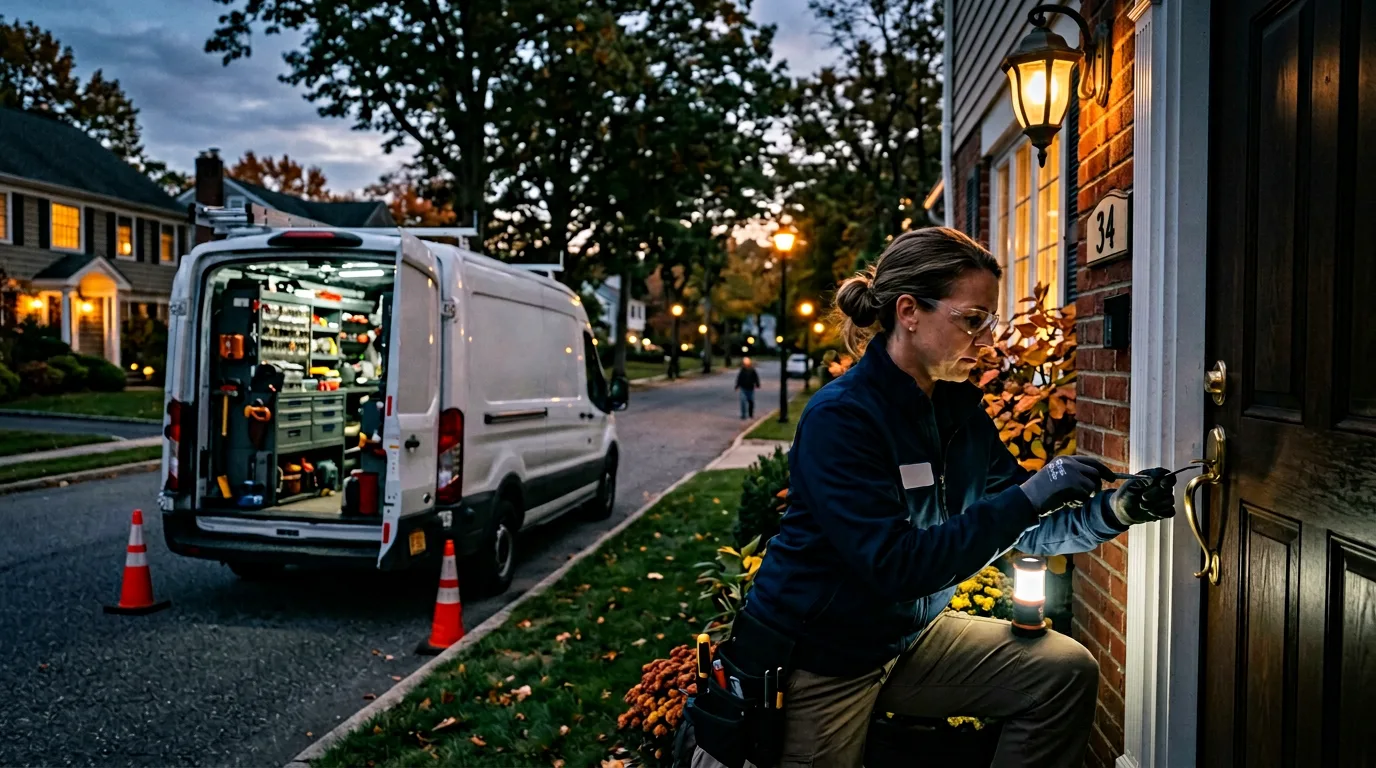
Professional locksmiths trained in non destructive entry can open most locked doors without breaking anything. They use specialized tools and techniques that work with the lock rather than against it. A skilled locksmith might pick the lock, use a bypass tool to manipulate the latch, or inflate a small air wedge to create a gap and then reach the latch with a long tool. These methods leave the door, frame, and lock undamaged.
This approach matters because a functional lock is still needed after you get inside. If the lock is intact, you can lock the door again and go about your day. If it is broken, you are left with an insecure door and an immediate need for a repair or replacement. A home lockout service that emphasizes non destructive entry is worth looking for precisely because it protects your property.
There is also the matter of cost. While you should never assume pricing, it is common knowledge that repairing a damaged lock or door frame costs more than a service call that avoids damage. Forcing a door can turn a simple lockout into an expense that involves parts, labor, and possibly a carpenter. The smarter path is to stop and call a locksmith before any force is applied.
What to Do Instead of Forcing the Door
If you are locked out, the first step is to check for other entry points. A window left unlocked, a sliding door, or even a garage door might provide access without any risk to the main lock. If nothing else is open, the next step is to call a professional. A reliable emergency locksmith service can usually arrive within a short time, even late at night.
While waiting, do not try to force the door. Do not use credit cards on a deadbolt lock; that only works on spring latches and can damage the card. Do not attempt to drill the lock yourself unless you have experience. Drilling a lock requires precise placement, and a mistake can ruin the cylinder beyond repair. Even if you succeed in drilling, you will still need a new lock.
If you have spare keys inside, consider whether you can retrieve them without forcing the door. Sometimes a neighbor has a copy. Sometimes a family member is on the way. These options take patience but avoid all the problems that come with forced entry.
The Risks of DIY Lock Picking
Some people try to pick their own lock using online tutorials. Lock picking is a skill that requires practice and the right tools. Amateurs often break picks off inside the lock, jam the mechanism, or damage the pins. A lock with a broken pick inside it is much harder for a locksmith to open. What could have been a quick non destructive entry becomes a more complex repair job.
Another risk is damaging the finish or the handle. Prying at the door with a screwdriver or a crowbar leaves scratches, dents, and gouges. These marks are cosmetic but still reduce the value of the door and the appearance of your home. A professional will use tools that do not mar the surface.
Security After the Lockout
Once you are back inside, the immediate relief can make you forget about the condition of the lock. But if you forced the door, the lock may no longer be secure. A damaged deadbolt can be easy to retract from the outside. A cracked door frame can be pried open by anyone. It is wise to inspect the lock and frame closely after any forced entry attempt. If you see cracks, misalignment, or a key that no longer turns smoothly, the lock needs to be replaced.
For peace of mind, consider having a spare key made and stored with a trusted neighbor or in a secure lockbox. That simple step can prevent future lockouts entirely. If you do find yourself locked out again, you will have options that do not involve putting a shoulder to the door.
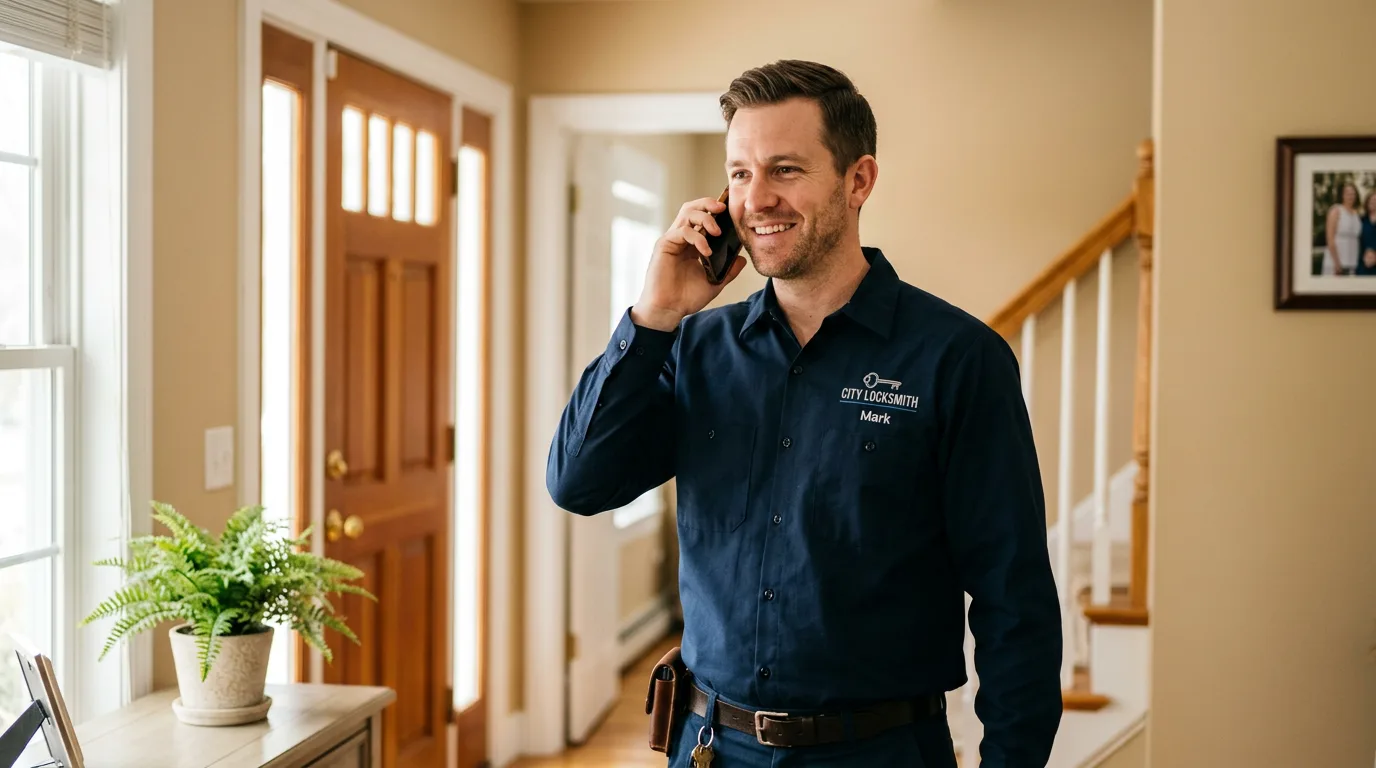
A home lockout service that arrives quickly and uses non destructive techniques is the best resource when you are stuck outside. The locksmith will assess the lock type, choose the right tool, and open the door without breaking anything. You keep your lock, your frame, and your security intact. That is a much better outcome than forcing the door and ending up with a repair bill.
When Forcing Might Be Necessary
There are rare situations where forcing a door is the only option. If there is a fire, a gas leak, or a medical emergency inside, getting in by any means is the priority. In those cases, safety comes before the condition of the lock. But in a typical lockout, there is no emergency. The smart move is to wait for a professional who can open the door without causing damage.
Some locks are designed to be harder to force. High-security deadbolts have hardened steel inserts and anti-drill plates. These locks are excellent for security but also more resistant to forced entry. If you have such a lock, forcing it will likely damage the door frame before the lock gives way. That is a good reason to call a locksmith who knows how to work with high-security hardware.
Final Thoughts
A lockout is frustrating, but forcing the door only adds to the trouble. The lock, the latch, the door frame, and the cylinder are all at risk. Repairs can be costly and time-consuming. A professional locksmith can resolve the situation quickly and cleanly. The next time you are locked out, take a breath, step back, and make the call. Your door will thank you.
Ends · EVERYDAYKEYSENSE